Internet consumption in Spain – Updated 2026
A consolidated digital reality
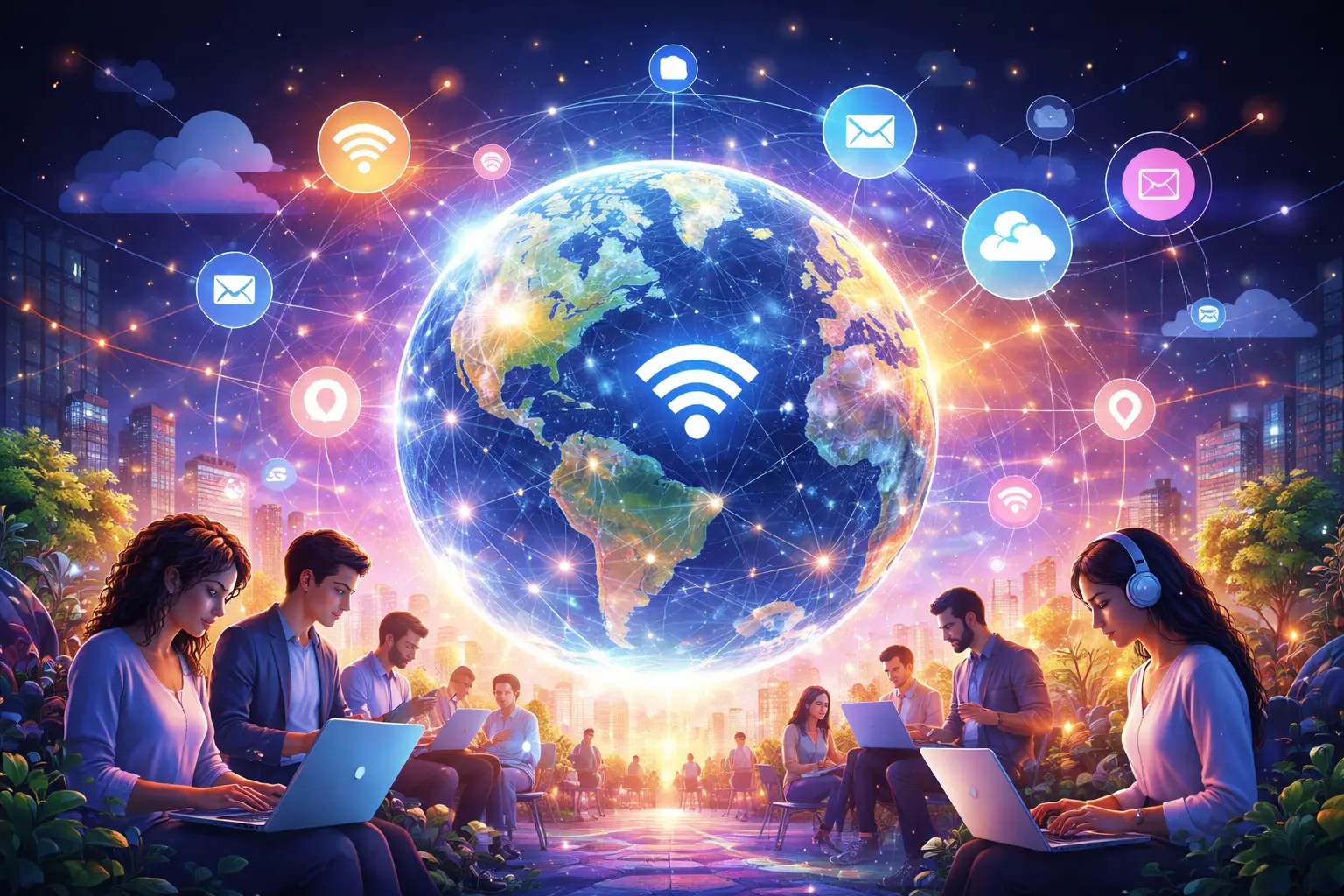
 Talking about internet consumption in Spain in 2026 is talking about a fully digitalized society. If in 2012 access to the Internet was still expanding, today the Internet is a structural part of daily life, work, leisure and the relationship with institutions. It is no longer just about being connected, but about how, how much and why we use the network.
The most recent data confirm this transformation: more than 96% of Spaniards between 16 and 74 years old have used the Internet in recent months, and more than 92% do so daily (ine.es). This practically universal penetration has redefined social habits, business models and communication strategies.
Table of Contents
A permanently connected society
Internet access in Spain has reached levels close to saturation. Connectivity is no longer a competitive advantage, but a basic condition for participating in economic and social life. The extension of fiber optics, the deployment of 5G and the prevalence of the smartphone have made it easier for the connection to be constant, ubiquitous and fast.
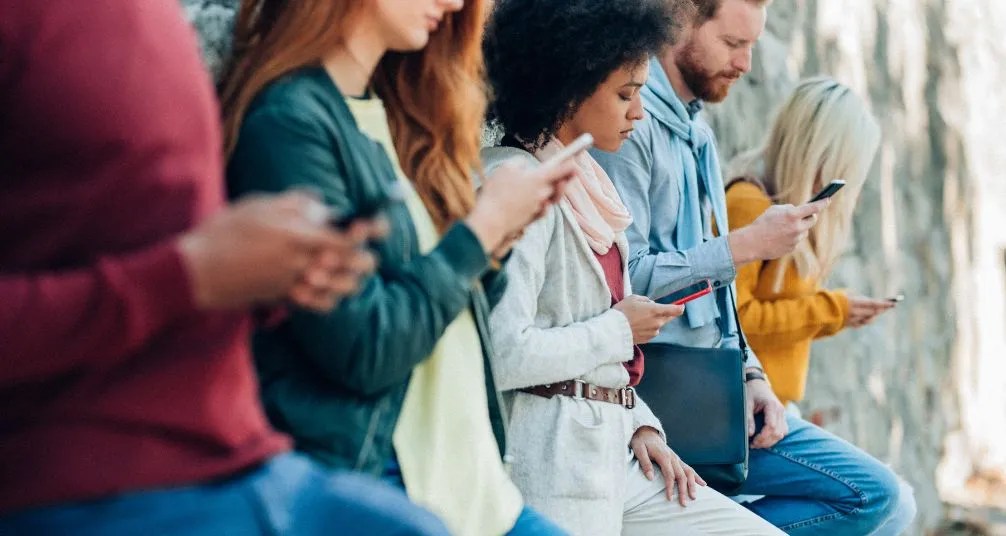
Today, most homes have access to broadband and multiple connected devices. This environment has consolidated a digital culture where the user does not disconnect: he consults information, communicates, buys or is entertained at any time of the day. In fact, a significant part of the population spends between two and eight hours a day connected to the Internet (bcube.bitban.com).
This scenario has also changed the way brands interact with consumers. Today's user is demanding, informed and expects immediacy in responses.
The mobile phone as the axis of digital consumption
If there is a device that defines Internet consumption in Spain, it is the smartphone. It has become the main gateway to the Internet, displacing the computer in many daily activities.
Instant messaging, access to social networks, video consumption and quick searches are actions dominated by mobile phones. More than 80% of users use messaging applications several times a day (cnmc.es), which shows a profound change in interpersonal communication.
Furthermore, mobile phones have boosted immediate consumption. Purchase decisions, consultation of information or interaction with content occur in a matter of seconds, in any context and place. This phenomenon has forced companies and media to adapt their content to mobile, fast and visual formats.
Do you want to take your content to the next level?
Briefly explain your business and your needs. We will find your solution.
Social networks and content: the new digital ecosystem
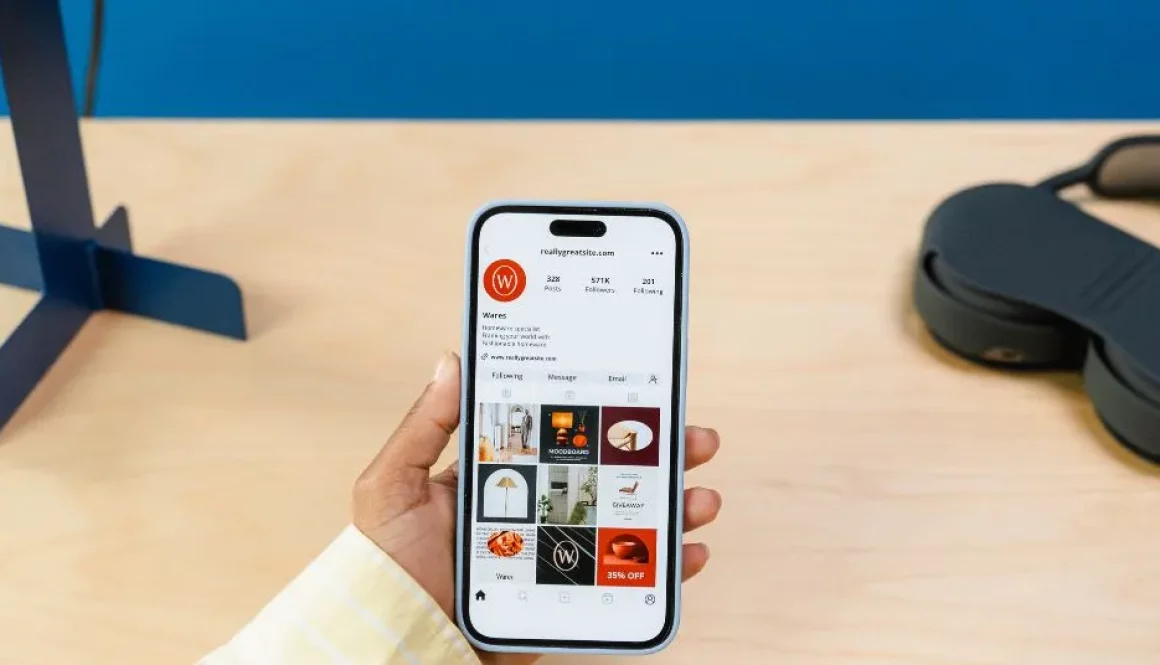
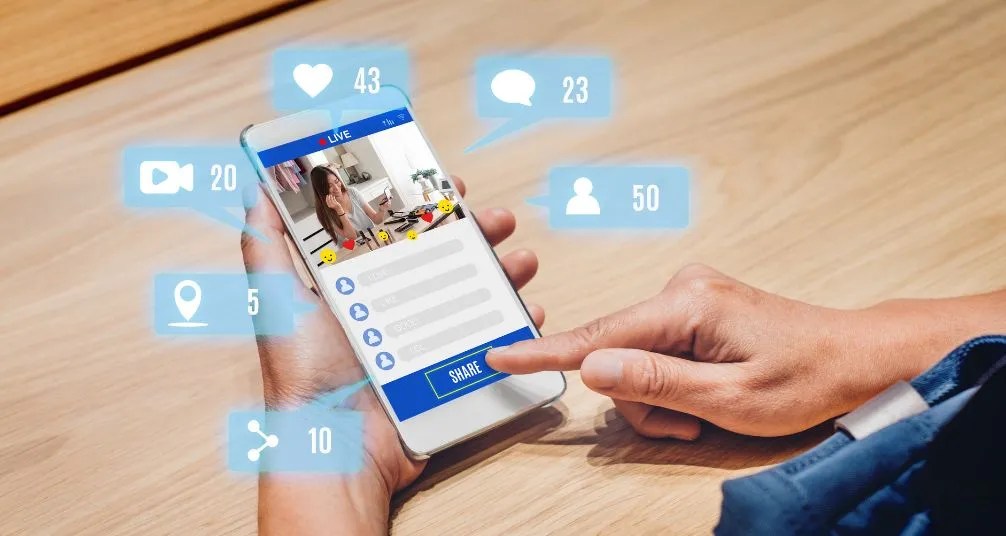
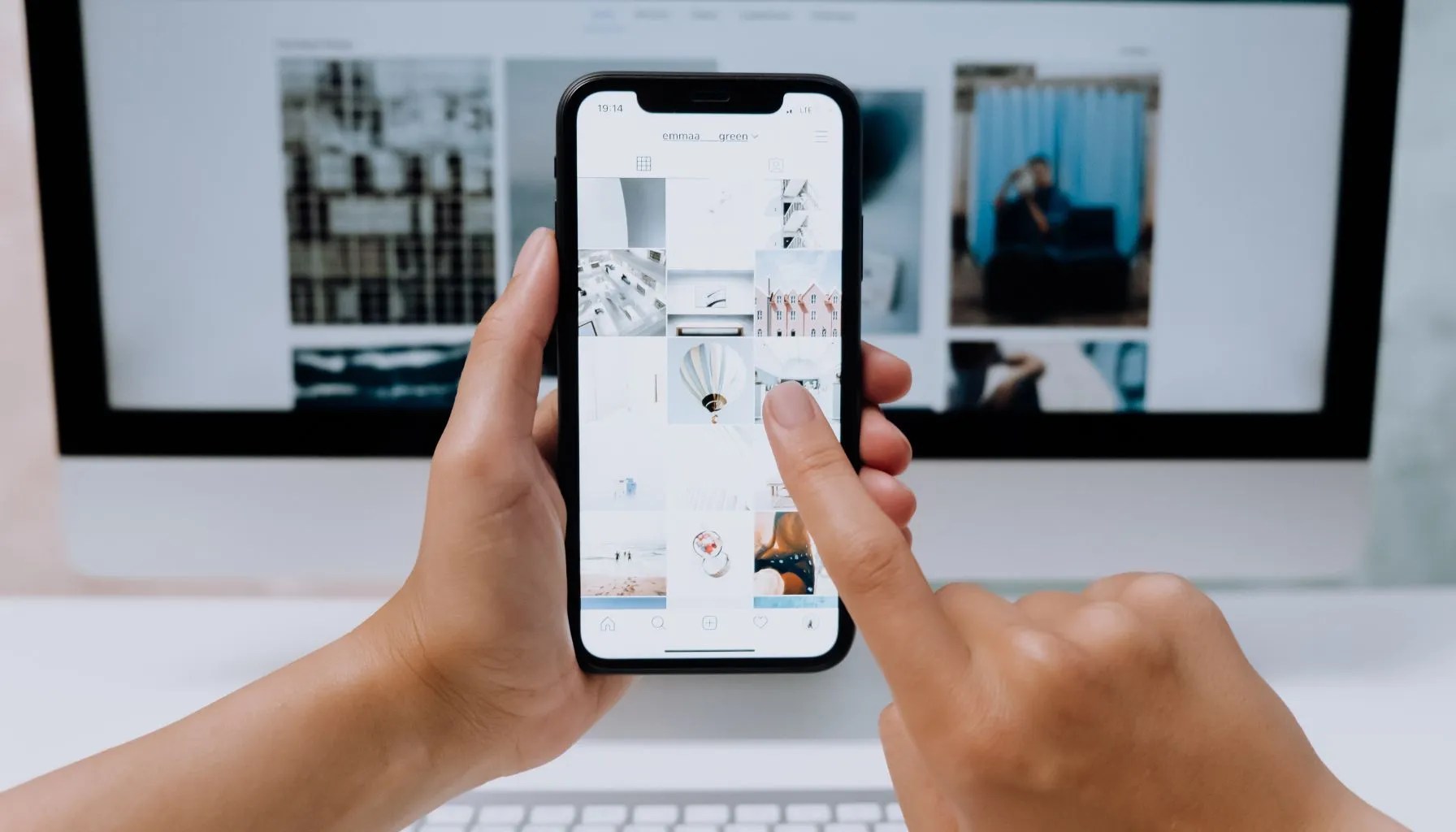
Social networks continue to be one of the pillars of Internet consumption in Spain. Platforms such as Instagram, TikTok or YouTube have consolidated a model based on visual, brief and highly attractive content. The time dedicated to social networks is around two hours a day on average (unavidaonline.com), which reflects its weight in digital consumption. It is no longer just about socializing, but about getting informed, discovering products or following content creators. This change has given rise to an ecosystem where content is the main asset. Brands that want to stand out must understand how this environment works and how to connect with their audience. In this sense, it is key to understand strategies such as Content marketing. What is it and how to use it?, which allows you to attract, retain and convert users through relevant content.
The rise of e-commerce
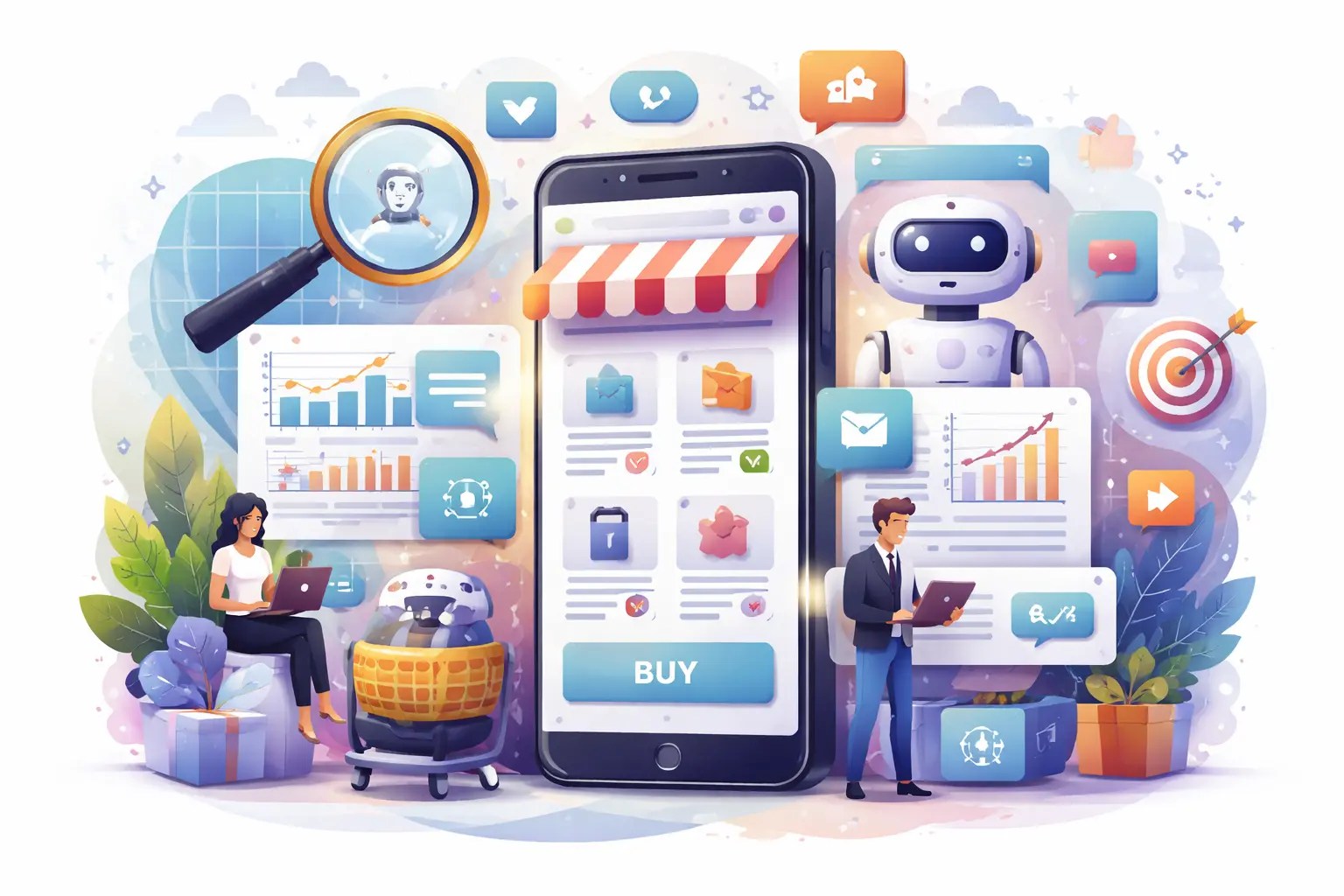
Electronic commerce is another of the main protagonists of digital consumption in Spain. More than half of the population buys online regularly, and close to 60% have done so in recent months (ine.es). In absolute terms, we are talking about tens of millions of people participating in the digital economy.
This growth not only responds to comfort, but also to user confidence. Secure payment platforms, return policies and improved logistics have removed many of the initial barriers.
Furthermore, ecommerce is no longer just transactional. The shopping experience includes personalized recommendations, interactive content and omnichannel strategies that integrate the online and offline world.
For any company, understanding this behavior is essential. The consumer no longer distinguishes between channels: they expect consistency, speed and a fluid experience.
Artificial intelligence and new consumer habits
One of the most significant changes in recent years has been the incorporation of artificial intelligence into Internet consumption. About 38% of users already use generative AI tools (ine.es), and their adoption continues to grow. AI is transforming the way we search for information, create content or make decisions. Virtual assistants, chatbots, and automated recommendations are redefining the digital experience. This change has direct implications for marketing and communication. Users expect personalized responses, tailored content, and smarter interaction. Companies that integrate these technologies strategically will have a clear competitive advantage. For more information on digital trends and marketing, you can consult specialized sources such as the National Institute of Statistics (INE), which offers updated data on Internet use in Spain.
Challenges of digital consumption
Despite the growth and maturity of the digital ecosystem, Internet consumption in Spain also poses challenges. One of them is the digital divide, which although it has been reduced, continues to affect certain groups, especially older people or people with a lower level of technological training.
Another important challenge is excessive or problematic Internet use, especially among young people. Although access is positive in many ways, it also requires digital education and responsible use.
Finally, the concentration of consumption on large platforms raises questions about information diversity and dependence on a few technological actors.


























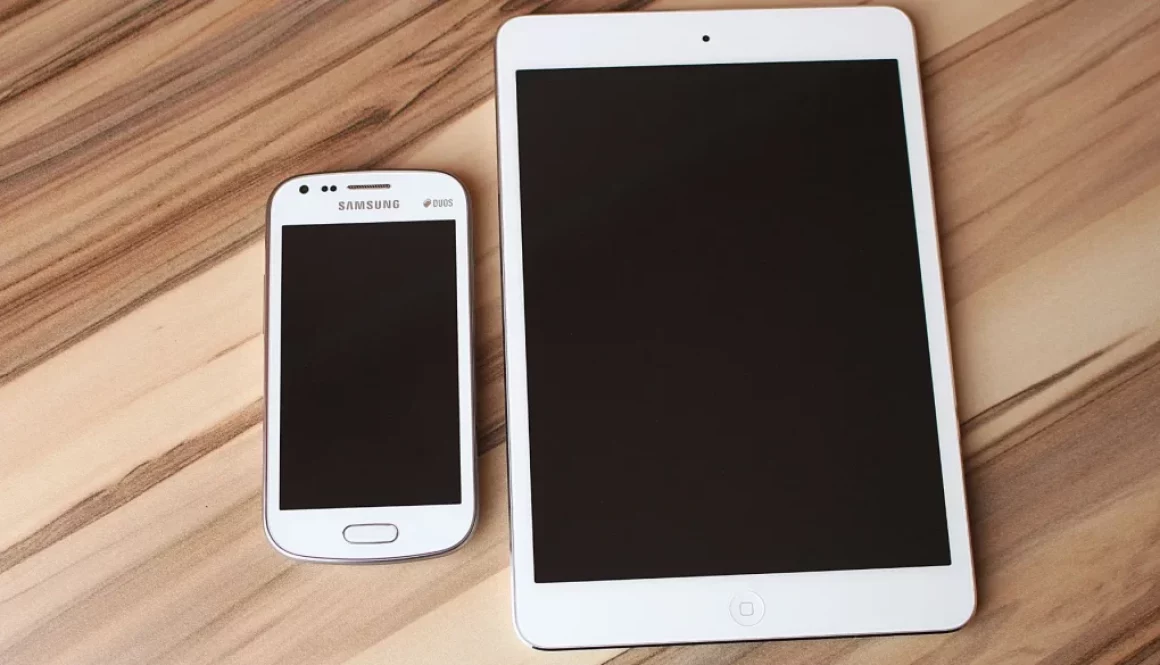


















 Tablets
 Throughout the history of humanity, mass depended on proximity, we had to be together physically to be able to form a mass. Suddenly, with the Internet, we were able to create a virtual mass. A lot of people who come together with the same intention for a shared interest. This is new, this is a fundamental new development in the course of human history, communities are capable of forming through a shared interest in a hobby, a trade, an art, etc. He crowdsourcing It is when a company takes a task that was previously performed by its employees and outsources it through an open call to a large and indefinite group of people, usually over the Internet.